
Broward County Previous-Resident Sources
No source gives a complete list of everyone who occupied one Broward County address. Property records identify owners, while directories and census schedules can reveal listed occupants. Permits date work on the structure, not a move. Newspapers and probate files may explain why a name disappears. The best starting source therefore depends on the period and whether the question concerns title or a household.
| Source | Years It Covers | Where Held | What It Shows |
|---|---|---|---|
| Recorded land documents | 1883 to present; web access varies by date | Records, Taxes and Treasury online or counter | Owners, transfers, legal descriptions, liens, and probate instruments |
| BCPA parcel and sales record | Current roll with prior sales and building details | BCPA Record Search | Folio, present owner, situs, mailing address, year built |
| City and telephone directories | Title and year dependent | Broward Main Library and licensed databases | Listed adults, phone numbers, and address occupancy |
| Federal census | Public schedules through 1950 | NARA and library databases | Enumerated household, relationships, and occupation |
| Permits and Sanborn maps | Municipal and place/year coverage varies | Correct city or county office; LOC and NSU | Construction dates, alterations, footprint, material, and use |
| Local newspapers | Title-specific runs | BCL Periodicals, ProQuest, and NewsBank | Sales, social notes, obituaries, and legal notices |
For a recent transfer, begin with the Broward County Property Appraiser record search, then pivot to recorded instruments. For a mid-century household, pair the address section of a directory with the nearest public census year. Early property research may require the recorder’s counter and older deed books. Always retain the folio and legal description, because they survive spelling changes and many shifts in the street address.
Start Broward County Address History
BCPA is the bridge from an address to a title name. Search the situs address, meaning the property’s physical location, and open the matching folio. Record the owner, mailing address, legal description, sale date, sale instrument, building facts, and any homestead or exemption flag shown. A mailing address that differs from the situs can be useful, but it does not identify the current occupant. Broward County’s seasonal owners, trusts, companies, and condominium managers make that distinction especially important.
Condominiums need extra care. One street number may contain many separately assessed units, while the map shows one master footprint. Select the unit record that matches the legal description instead of treating the building’s master parcel as the household. Once the exact folio is secure, the same parcel can be followed despite an old address format or a later municipal change.
Note: Preserve a dated copy of each parcel record because assessment rolls and mailing addresses can change after the search.
Trace Broward County Previous Residents
The Broward Official Records Search is keyed to parties, document types, dates, instruments, and book/page references, not a plain street address. Start with the purchase instrument shown by BCPA. Open the deed and verify that its legal description matches the parcel. Then turn the seller into the next search name. This seller-as-prior-grantee method walks the title chain backward without confusing properties that have similar addresses.
- Pull the current folio, owner, legal description, sale date, and instrument or book/page from BCPA.
- Find that purchase deed and confirm the lot, block, subdivision, or other legal description.
- Search the seller as a grantee before the sale date. Include name variants and narrow by document type.
- Repeat with each prior deed. Note mortgages, satisfactions, judgments, and probate papers that explain a transition.
- Carry the last online instrument or book/page to Search and Copy when the web index no longer supports the search.
- Grantor and grantee
- The grantor transfers an interest; the grantee receives it.
- Chain of title
- The linked series of transfers for the same parcel.
- Legal description
- The formal land description, often by lot and block, that identifies the parcel more reliably than a mailing label.
A deed proves a transfer of an interest, not that each named party lived at the property. Return addresses can belong to lawyers or title companies. Read each role and document type before attaching a name to the history of the home.
Broward County Previous-Resident Deed Timeline
Broward County holds recorded documents from 1883, but the same name-search method does not span that full period. Fully searchable material begins July 7, 1977 at 1:47 p.m.; the county overview describes the online range as January 1, 1978 forward. From March 9, 1972 to that July 1977 cutoff, searches are limited to instrument, book/page, or date keys. Earlier deeds need the Search and Copy counter or older books. Online images generally begin August 24, 1998.
This split matters when tracing previous residents. A missing web name result may reflect the access method, not a break in title. Carry forward every citation found in a deed. Plats and maps are the useful exception: Broward makes them searchable regardless of date, so an old subdivision lot and block can be established online before the matching deed is requested.
The Records, Taxes and Treasury landing page connects the online record tools with the division that provides counter help and copies. Its page view shows why an address history must cross from browser research to staff-assisted service instead of stopping at the first blank result.
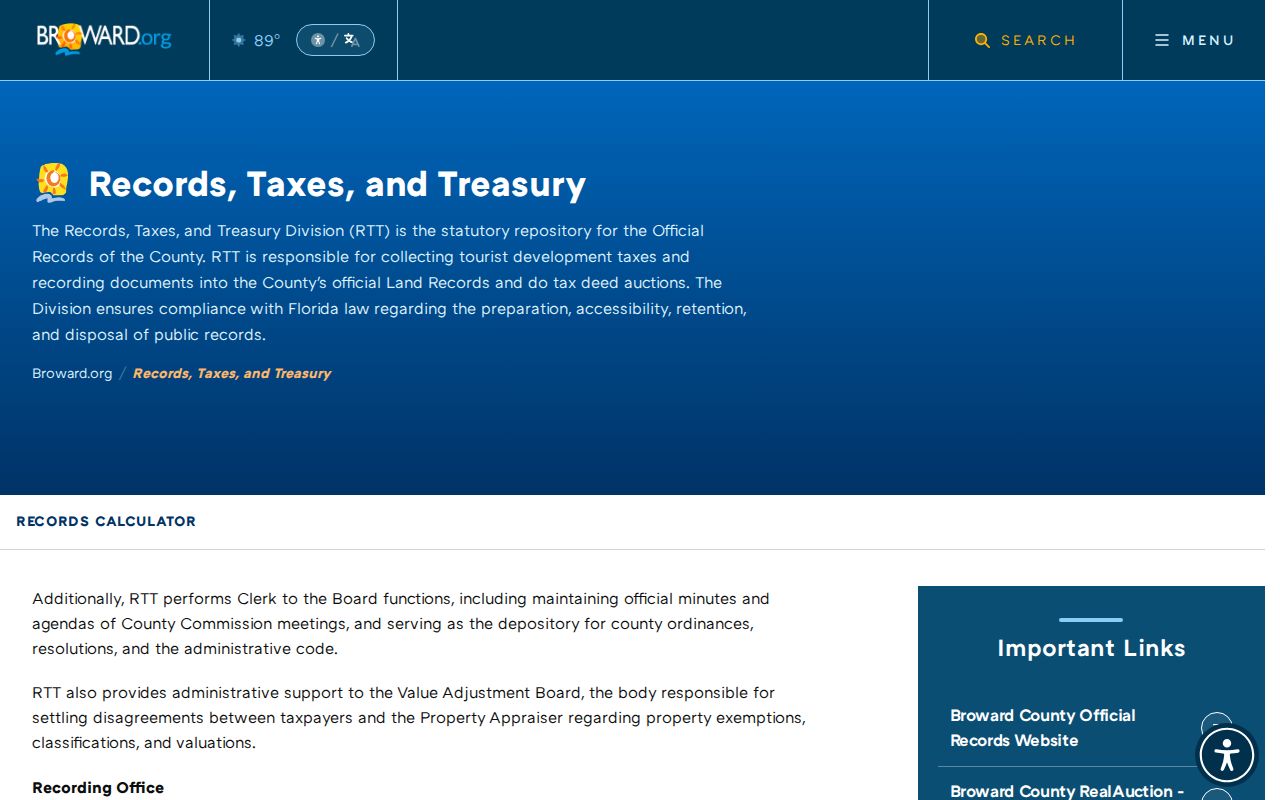
The records division remains the bridge to certified copies and pre-web material, which keeps the older title trail connected to the modern folio.
Map Broward County Address Changes
A house may stay in place while its record labels change. Broward County was created in 1915 from Dade and Palm Beach territory, so earlier land research may point to predecessor jurisdictions. Annexation can also move permit and code custody from the county to a municipality without changing the postal city. Use Broward GIS municipality and annexation-history layers for the date under study, then ask the agency that created the file.
Permits can date construction or an alteration and may name an owner, contractor, work type, value, issue date, final date, and status. They do not prove residence. Coverage differs among Broward’s 31 municipalities and the unincorporated Broward Municipal Services District, so there is no single countywide permit index. Sanborn fire-insurance maps add footprint, use, building material, and old street-number context where a place and year are available.
Use the Library of Congress Sanborn collection or NSU’s Digital Sanborn access to test whether a map exists. Pair the footprint with the parcel’s legal description. That combination can bridge a changed address without guessing that two similar street labels refer to the same site.
Connect Broward County Past Residents
Owners are only half of an address history. An older reverse or criss-cross directory turns the usual name search around: street name, then house number, then the listed adult or business. Broward Main Library Periodicals holds older telephone directories, while Ancestry Library Edition and Fold3 provide varying city-directory coverage. Exact title and year runs are not published as one official shelf list, so ask staff for the volume and year rather than assuming it exists.
Pair each directory hit with the nearest public census schedule. The 1940 and 1950 censuses are especially useful because the schedules can supply a full enumerated household, relationships, and occupations. A directory may show only a head of household or phone subscriber. Use this short flow: address in a dated directory → same address in the census → names and relationships → following directory year → obituary or probate if a person disappears.
The collection mechanics belong to the Broward County city directory page. For address history, capture the title page, year, abbreviation key, and target entry. Search surname plus street name in local papers, then the house number plus street. Social notices, property ads, and obituaries can explain arrivals and departures, but each needs an official record or another independent source.
Lawful use. Research Broward County past residents for house history, family history, or personal curiosity. Never use an address trail to watch, harass, or harm a living person.
Broward County Previous-Resident Endpoints
When a resident’s name vanishes, a deed alone may not explain the change. A probate docket can identify a decedent, petitioner, personal representative, counsel, and case chronology. Recorded probate instruments may also connect an estate transfer to the parcel. The Broward Clerk’s public case search is the first check; a records request or courthouse terminal may be needed when a public document is not remotely visible.
Broward Main Library Periodicals holds local newspaper runs and accepts out-of-area obituary or article requests at periodicals@broward.org. Give staff the full name, approximate date, newspaper if known, and Broward address. Not every death received a notice. Cemetery records and death certificates can supply another check, subject to Florida access rules.
The Florida vital-record access statute sets the limits shown in this official page capture.
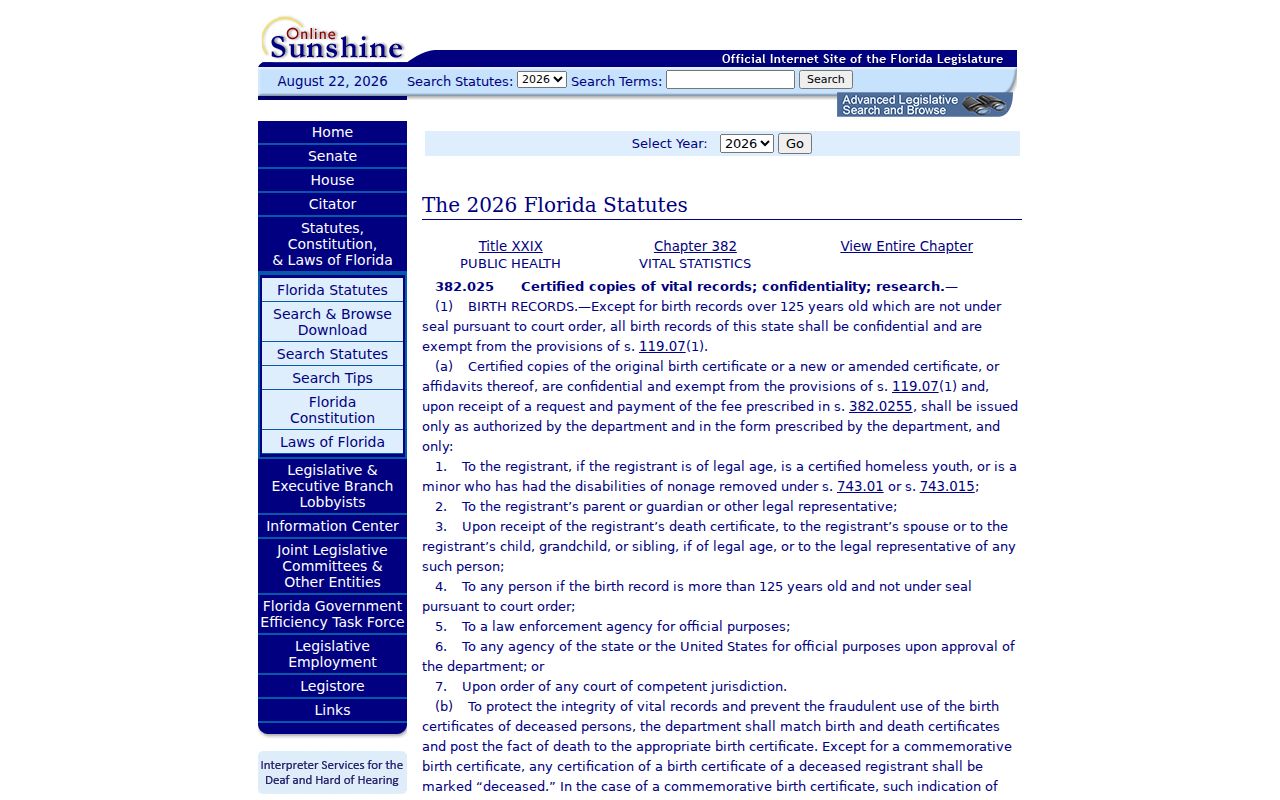
The statute confirms why public newspapers and probate records may be accessible even when the requested certificate details remain restricted.
Note: A probate address may belong to counsel or a notice recipient, so label the role before connecting it to the home.
Support Broward County Previous-Resident Findings
Some assigned public indexes are secondary to the house trail, but they can resolve identities once the deed, directory, or obituary supplies a name. A company may hold title, a lawyer may appear in probate, or a federal docket may explain a lien. These sources describe a filed role, not residence. Match the name, date, and parcel-related event before using them.
The Sunbiz records search can reveal an entity’s officers, registered agent, filed address, and document images.
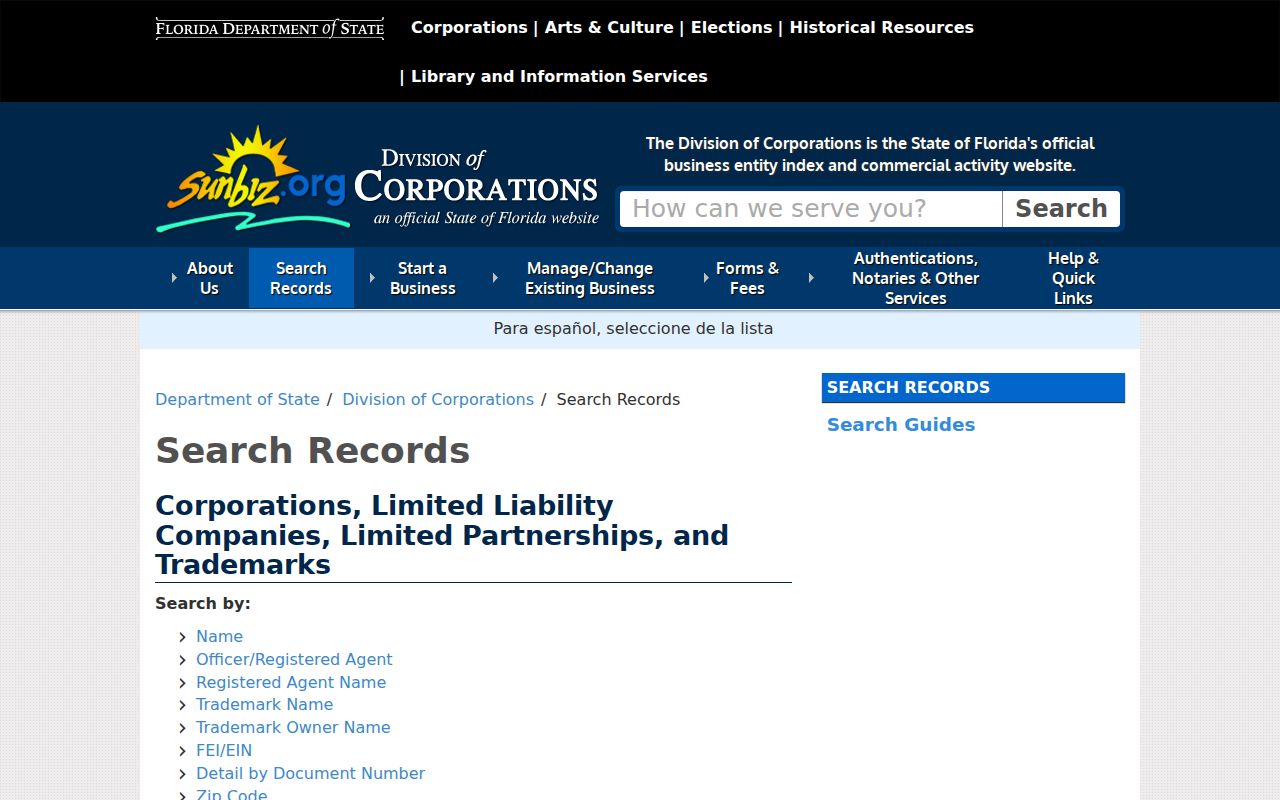
Those fields help decode a corporate grantee, though the filing address should never be called a home address without separate proof.
The Florida Bar member directory can distinguish counsel from an heir, owner, or occupant.
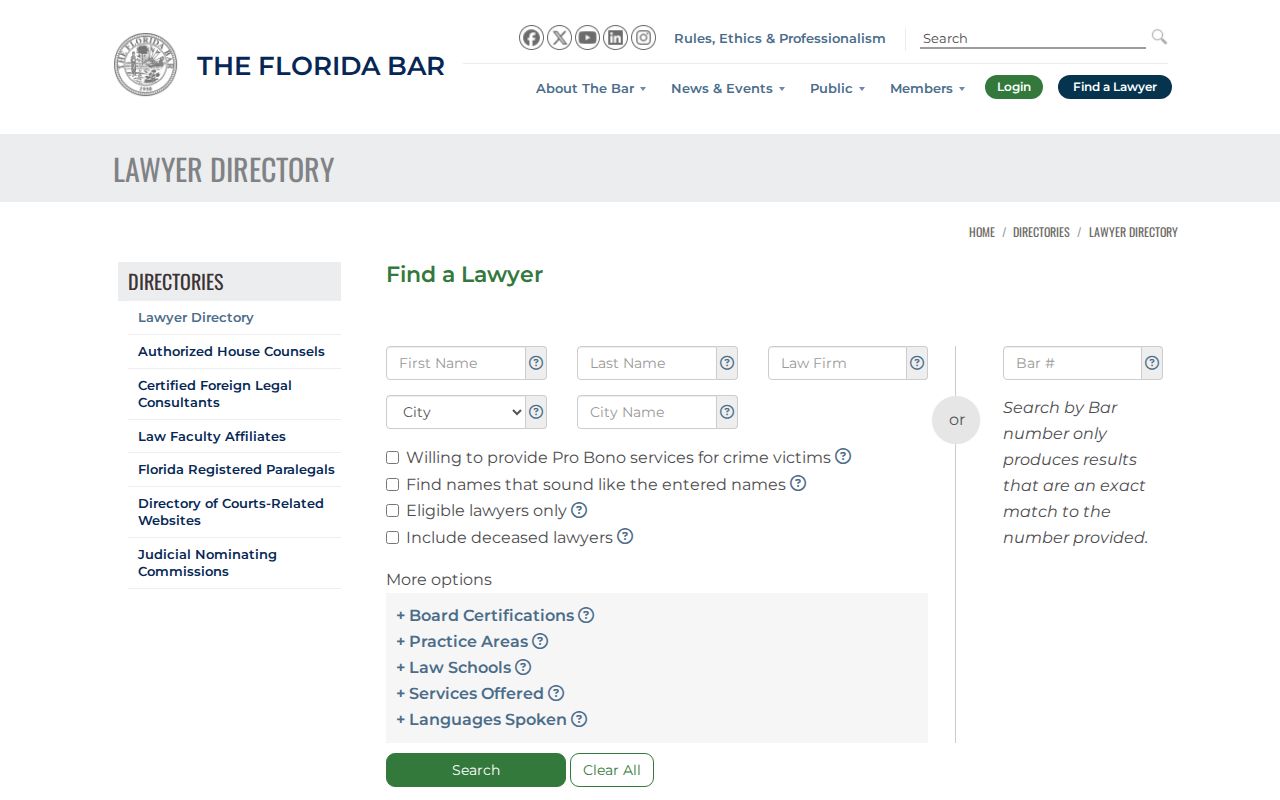
A professional listing explains the lawyer’s role and keeps an office address from being mistaken for the researched property.
For a federal case, PACER provides party and docket searches for the Southern District of Florida.
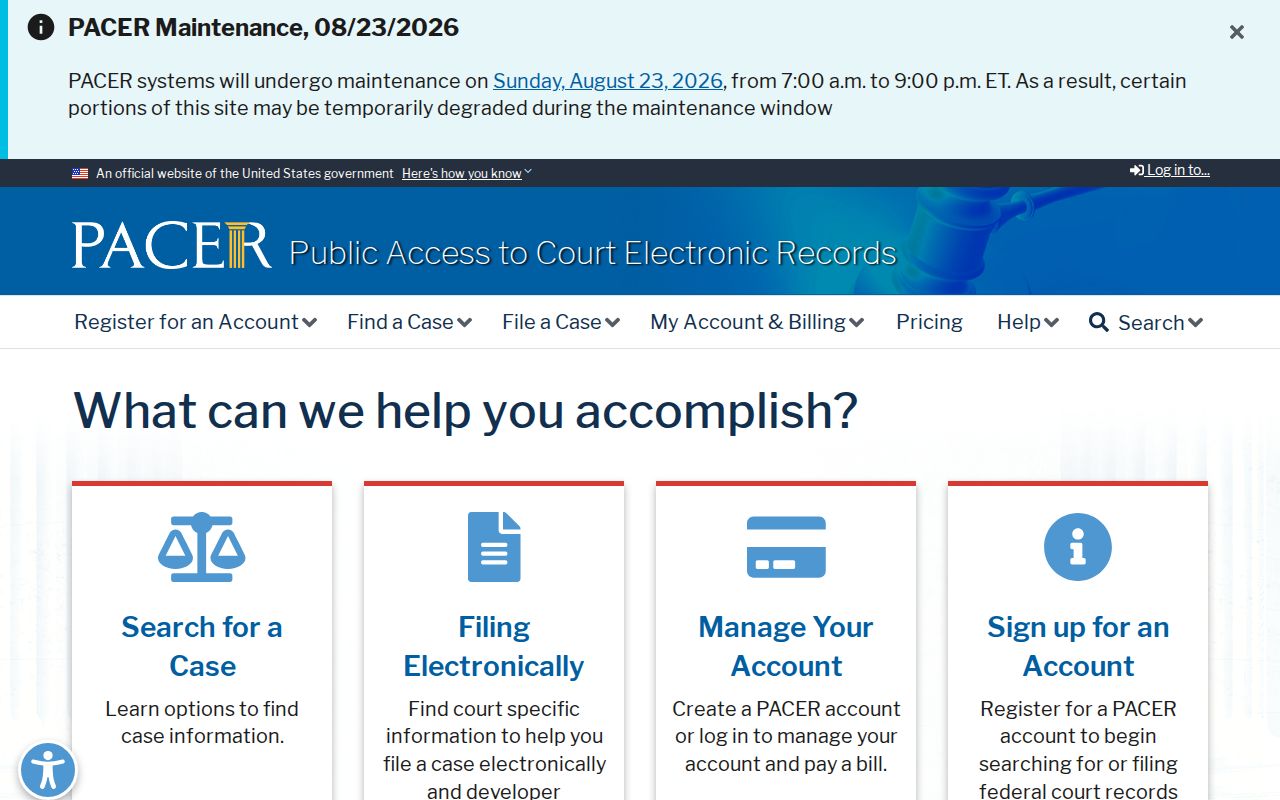
Federal dockets supplement Broward records when the same person or entity appears, but they do not replace county deeds or local probate files.